
Immigration Blog
Our blog is a source of latest immigration news, policy updates and trends for thousands of readers every month.
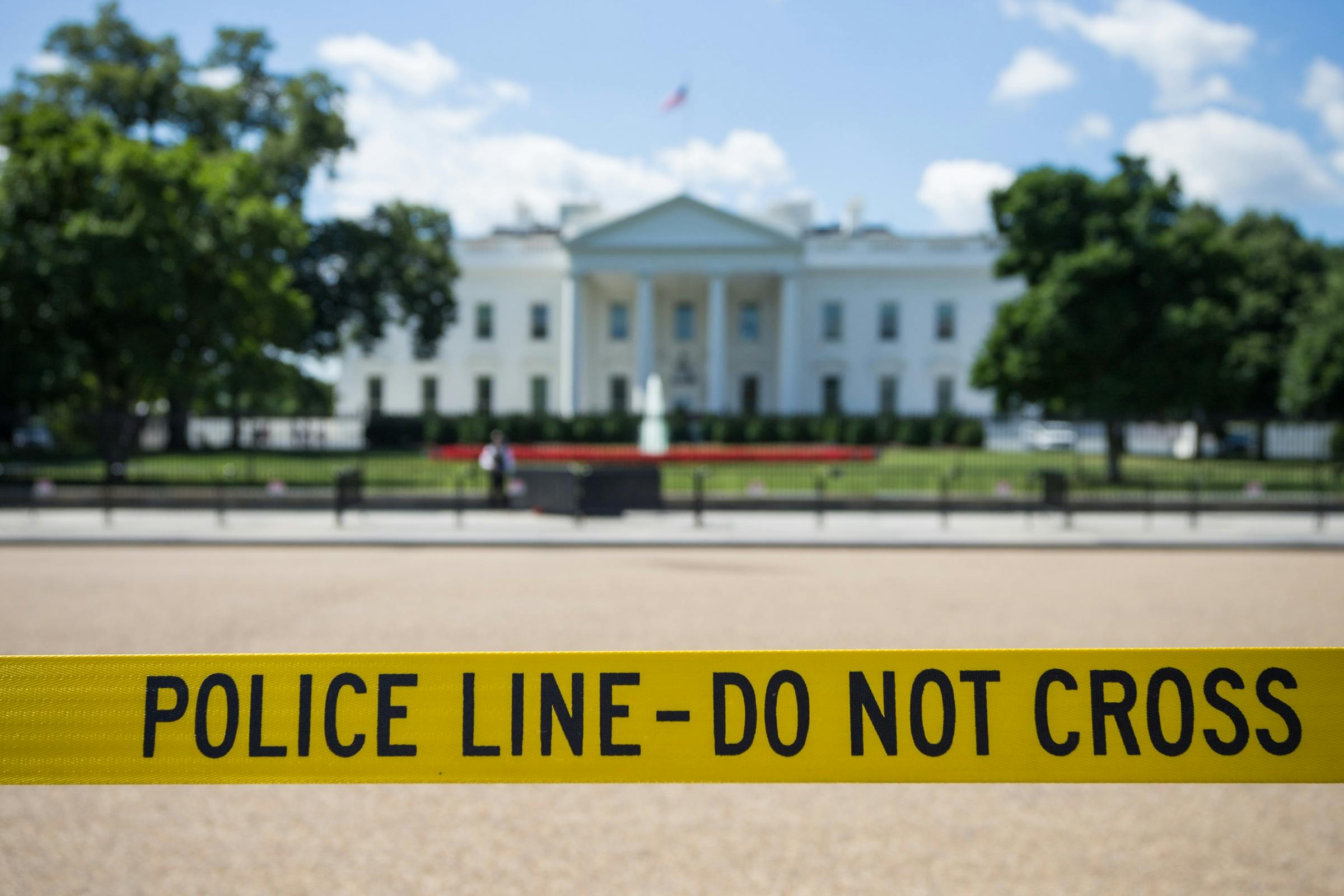
Rumors of a Federal Government Shutdown on Oct. 1: Will Immigration Be Affected?
America’s immigration policies are frequently tied to the political situation in the country at any given time. When those in charge of reformation and policies can’t come to an agreement, the resulting impasse may have serious consequences. That’s what we see playing out on the near horizon as the end of the fiscal year approaches. If Congress can’t agree on how to fund the federal government, a partial shutdown could happen, and the impact could be damaging to those awaiting immigration paperwork. We’ll explain what’s going on and what you should be doing to prepare for a potential government shutdown here.
Major Changes to the Green Card Program Are Necessary
The topic of green cards and the long wait to obtain one has been part of ongoing legislation for years. In certain countries, individuals have waited years and, in some cases, over a decade to receive their green card. As of the Visa Bulletin’s release of October 1, 2023, there are some major changes on the horizon, but do these help or hinder the green card program? Keep reading to find out.

2023's H-1B Fiscal Year Cap is Finally Met
The H-1B Fiscal Year for 2024 officially begins on October 1, 2023. However, there's still a lot of confusion about which registrations will proceed with the petition process and whether "not selected" is the official status for hundreds of thousands of this year's registrants. The United States Citizenship and Immigration Services (USCIS) department announced on July 31, 2023, that it reached sufficient petitions to meet the congressional mandates. This announcement includes the regular cap of 65,000 and the advanced degree exemption cap of 20,000. What does this mean for you, and should you give up on this fiscal year? Keep reading to learn more.

How the US Supreme Court’s Refusal of OPT Extension Case Affects the H-1B System
The OPT program was designed to allow international students to work while in the US receiving a secondary education or for up to one year after graduation. Earlier changes to the program allow STEM students an optional 36-month extension. Opponents of this adaptation claim that it permits tech companies to bypass the typical H-1B work visa program, a notoriously challenging system with a limited annual quota of visas available. However, legal challenges to the OPT extension case have yet to be successful, and the last attempt at the Supreme Court level was also blocked when the Court refused to take the case. This decision to leave the OPT extension as it currently is reflects the importance of the STEM industry globally but impacts the H-1B program in general. Keep reading to learn more.

Can a Lawyer Qualify for a National Interest Waiver?
National Interest Waivers are a special kind of document that allows the foreign beneficiary to live and work in the US without a job sponsor. To qualify, the individual must prove that their skills and expertise make them of “national interest,” which can be a significant challenge. Many careers fall into this realm naturally, including those in STEM and healthcare fields. However, as an attorney, you can challenge the government with evidence that shows you, too, are crucial, and we’ll explain how to do that here.
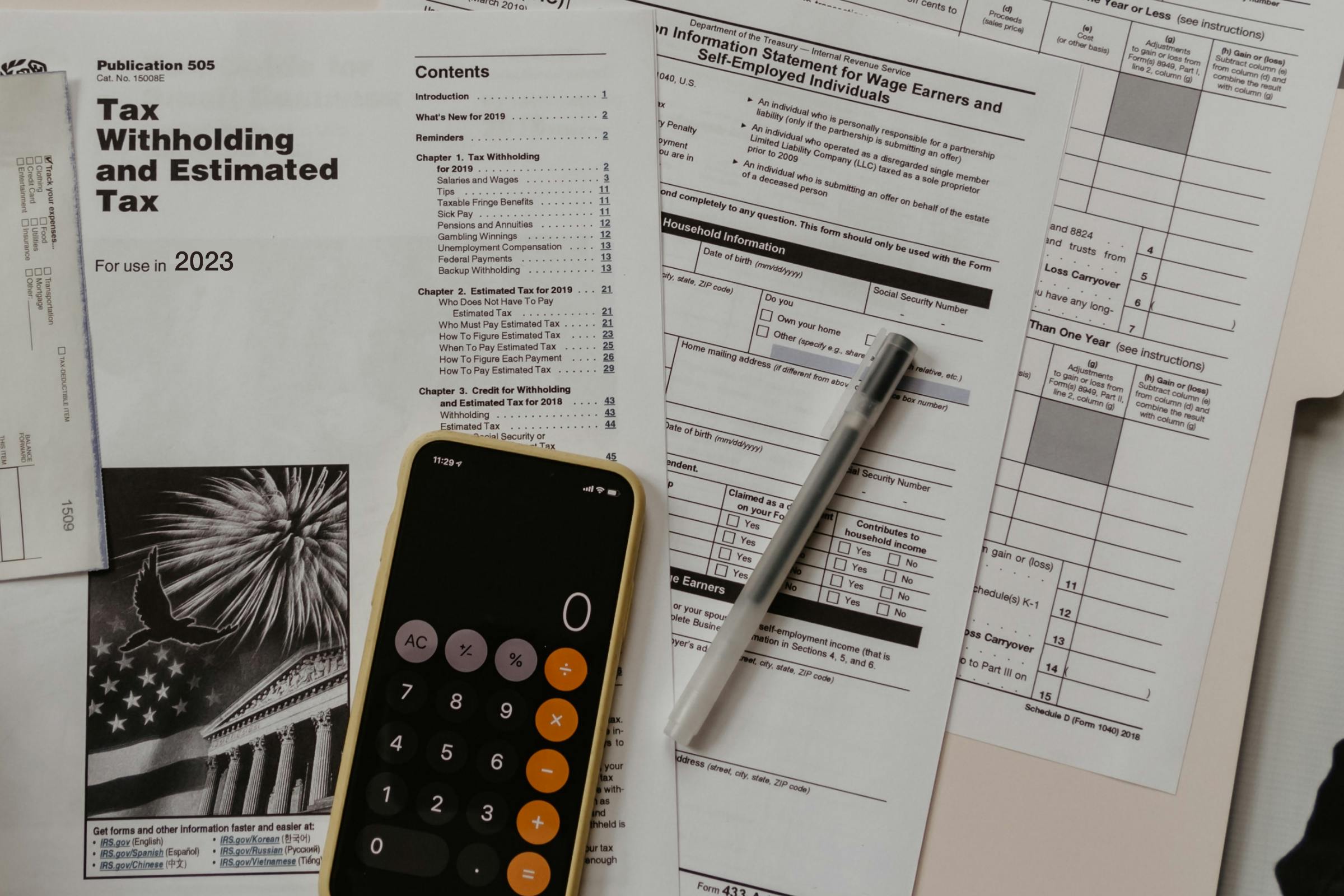
Your Guide to Filing Taxes as an H-1B Holder
With a valid H-1B visa, you have many of the same rights and privileges as a native US citizen for three years (with an optional three-year extension). During that time, you are allowed to live and work in the US, receiving the agreed-upon salary covered in the terms of your visa. But with those privileges comes responsibilities, including the requirement to pay taxes. How do you know what taxes you must file as an H-1B holder? We have that information here in this guide.

Will the HR2 Secure the Border Act Finally Be Passed?
Immigration is historically a sensitive topic, and today’s attempts at reform are no different. The latest round of policy reformations include HR2, the Secure the Border Act of 2023. This controversial act has prompted groups like FAIR (Federation for American Immigration Reform) and many other public policy groups to write letters demanding HR2’s attachment to the federal government’s spending agreements after the end of this fiscal year. Will this act finally be passed? Read on to find out more.

Do Scholars Need To Wait for the H-1B Visa Lottery?
The H-1B visa system is a popular avenue used by skilled foreign workers to expand their professional skills across borders and into the United States. While there are numerous benefits that come with this visa category, the downside to an H-1B is the need to wait for strict filing dates and hope that your registration is chosen in the random lottery, where a cap of 65,000 regular and 20,000 advanced registrants are selected to move forward and file a petition. But there’s a way around this limitation if you can find a cap-exempt employer, and those in the scholarly field often meet the conditions to do this quite naturally. Read on to find out if a scholar you know (or you yourself) can skip the lottery process and obtain an H-1B more easily.

2022 Versus 2023 H-1B Petition Analysis
By now, you’ve heard of the unusual circumstances surrounding the H-1B lottery for FY 2024. The H-1B visa program is a vital part of the labor force in the United States and foreign countries. It was designed to ensure businesses in industries like science, technology, engineering, mathematics, healthcare, and education could fill essential positions requiring skilled workers. However, the program runs under a “cap” imposed decades ago by Congress, resulting in the creation of a random lottery that is intended to give every registrant an equal chance at selection. But the past two years have increasingly shown more attempts at fraud and a need for an overhaul of the H-1B policy. Let’s take a look at 2022 versus 2023’s H-1B petition analysis here.

More Benefits to the National Interest Waiver (Including H-4 Spouses' Right to Work)
The National Interest Waiver (NIW) is a top-tier under the Employment-Based Second Preference (EB-2) visa category. It permits the holder to live and work in the United States without a job sponsor. Qualifying for this coveted document is challenging as the applicant must prove that they are highly skilled or have an exceptional ability that makes them of particular national interest. As with all immigration regulations, the requirements and benefits of the NIW adapt to the needs of society, and recent changes may benefit spouses under an H-4 visa should they seek work. We’ll explain those and the other must-know details here.
Our Services

H-1B Visa
The H-1B visa provides the opportunity for foreign professionals to work in the United States. It allows employers to hire qualified foreign workers in the U.S.

O-1 Visa
An O-1 visa is designed to allow foreigners at the very top of the arts, sciences, sports, education, business, motion picture or television industries entry into the United States.
Contact Us

Email
Phone
Address
600 Stewart Street Suite 400, Seattle, Washington 98101, USA (Plaza 600 Building)