
Immigration Blog
Our blog is a source of latest immigration news, policy updates and trends for thousands of readers every month.
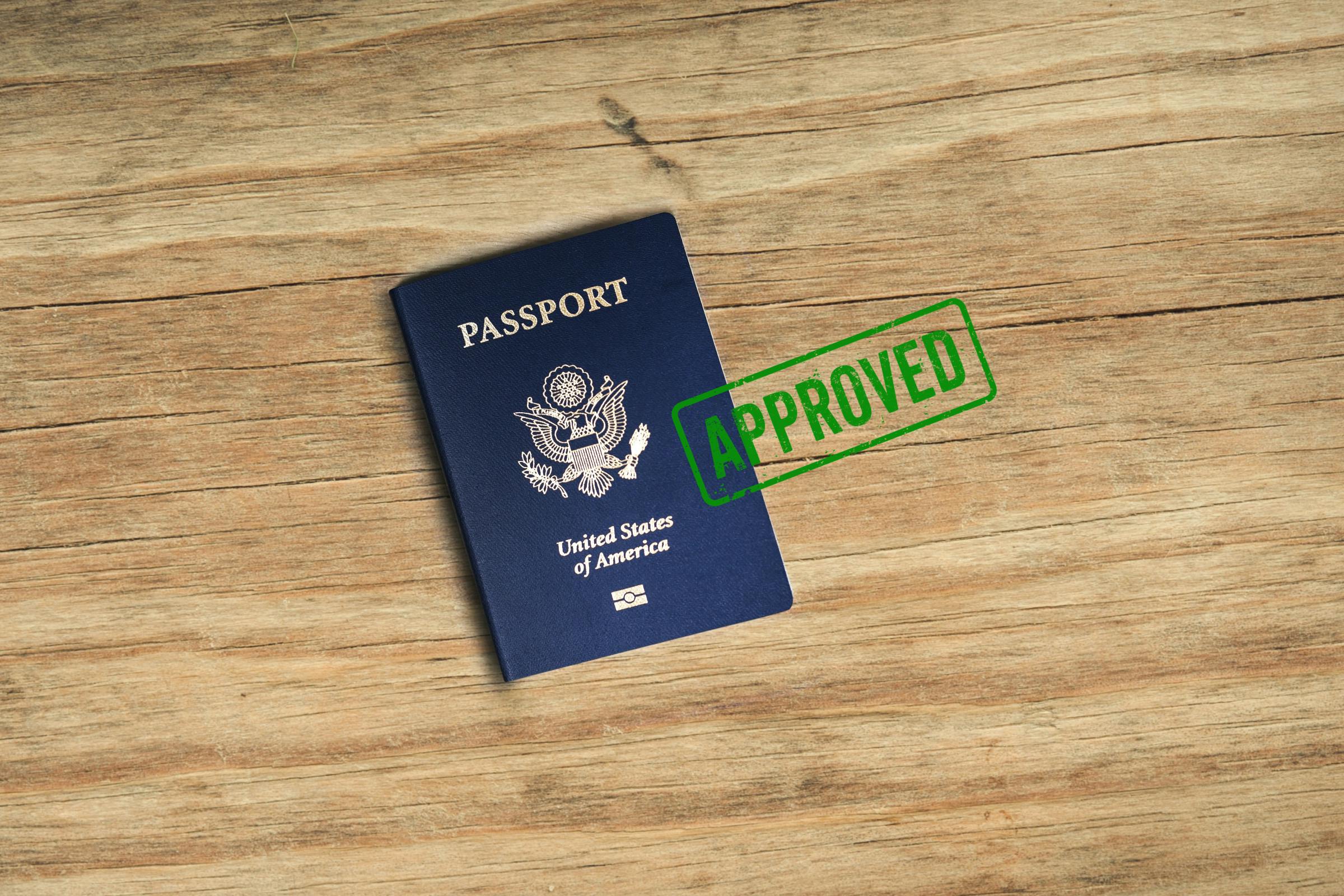
Things You Should Know After You Get H-1B Approval
Skilled individuals who live overseas but want to work in the United States for approved employers can apply for an H-1B visa. For various reasons, this document is highly sought-after by millions worldwide. Each year, only 85,000 registrants are allowed to apply for capped job positions, and getting to this point is challenging. But once you've cleared all the hurdles and have that coveted H-1B approval in your mailbox, you're not quite done yet. Here are some of the most critical pieces of info anyone with an H-1B approval should know before moving to the US.

Updates on National Interest Waivers for Performers
The premise behind national interest waivers is that the applicant may be essential to the US government. Therefore, there’s a misconception surrounding this visa document that only scholars fit that criteria. However, the government recognizes that performing arts are essential to the overall economy and satisfaction of the country. Over the years, legislation has evolved to include performers as an area of specialization. How can a performer claim national interest? Read on to understand what’s required in these unique situations.
What Does the H-1B Request for Evidence (RFE) Process Look Like?
When you file for an H-1B visa, the process includes various levels of detailed paperwork and essential documentation. Each box must be answered correctly, each line must be filled in accurately, and every aspect of your claims must be backed with the appropriate documentation included. When USCIS receives your paperwork, if any claim submissions are missing enough supporting evidence, they may return your petition with an RFE — Request for Evidence. What happens next depends on the reason for the request, and we'll break those down here.
What's Causing the Backlog of H-1B Green Cards?
The United States government understands that there are brilliant minds in other countries, and sometimes, employers in America need to hire outside of the border to fill specialty positions. When that happens, the H-1B visa is an ideal category that potential employers can petition their chosen beneficiaries for. Foreign workers want this coveted visa because it gives them the opportunity to apply for a Permanent Residence card, otherwise known as a Green Card. Delays are part of the process for applicants, but recently, these backlogs have become more time-consuming than usual. What’s going on at USCIS and the Department of Labor to cause these delays? We’ll explain here.

Do You Need to Restart the Green Card Process When You Change Employers Under an H-1B?
Obtaining an H-1B is an important step for foreign workers who want to make the United States their permanent home. But when you’re approved for this coveted visa, there are terms that come with it, including who you can and can’t work for. This could be as simple as completing a transfer request with USCIS, but the process gets more complicated if you’ve filed for a Green Card. What do you need to do if you change employers while waiting for your Permanent Resident Card? Read on to find out.

H-1B Visa Salaries Are on the Rise: What That Means for Employers and Foreign Workers
Much of the controversy surrounding foreign workers is based on the idea that it’s used to displace American workers with “cheaper” labor. This theory contends that employers will hire out jobs to foreigners willing to take less money, thus increasing the unemployment rates in the US. In reality, studies show that the H-1B visa program brings skilled labor to the country through workers who are paid better than the average American, as these workers are educated and enter professional fields where their fellow workers are paid well. In fact, H-1B visa salaries are on the rise, meaning the argument against “cheap labor” no longer holds water. What does this mean for employers and H-1B employees? We’ll explain here.

Why Experts Say 2023 Was the Worst Year in History for H-1B Visa Lottery Registrations, and How You Can Learn From It
Whether you successfully landed an H-1B visa in the 2023 lottery or not, the reality is that millions of people registered and weren’t selected. This is particularly true in countries like India, where the capped limit on a per-country allocation is 7%. The United States permits a limited number of visas annually, but the amount is split amongst all countries with applicants. This creates a substantial backlog of registrants, all of whom are transferred to the next year. Although this has been the system for decades, many experts say 2023 was the worst year yet. What happened, and how can you learn from the mistakes this year? Read on to find out.

Filing Form I-539? You May Not Need to Submit Your Biometrics Yet
Ongoing modernization attempts are an essential part of keeping the borders safe worldwide, and USCIS regularly makes changes in support of this goal. One of the more recent adaptations is the policy of required biometrics submissions. Applicants requesting entry to the US through most avenues must complete a biometric screening as part of their approval process. But certain applicants fall under a temporary suspension of this requirement. If you’re a nonimmigrant filing Form I-539, you may not need to complete the screening before your petition is approved. We have the details here.
Healthcare and STEM Workers Applying for Express Entry in Canada Leave More H-1B Visas Free
Foreign workers trying to navigate the field of visas to get into the United States are often faced with time-consuming and expensive challenges. One of the most sought-after visas, the H-1B category, includes a random lottery process and substantial paperwork full of rigorous requirements along with a limited annual cap. But Canada’s recent government changes in its immigration process open more individuals up to its country, which also serves to free up some H-1B allotments. What’s going on in Canada, and how does it affect you? Read on to find out more.

How Foreign Entrepreneurs May Benefit From a National Interest Waiver
Changes to the National Interest Waiver typically occur under every new presidential administration, and Biden’s presidency is no different. The latest changes took place on January 21, 2022, with the announcement of an expanded path to meet the National Interest Exemptions. Who benefits from these changes? The focus is on entrepreneurs meeting specific criteria, and we have the details here.
Our Services

H-1B Visa
The H-1B visa provides the opportunity for foreign professionals to work in the United States. It allows employers to hire qualified foreign workers in the U.S.

O-1 Visa
An O-1 visa is designed to allow foreigners at the very top of the arts, sciences, sports, education, business, motion picture or television industries entry into the United States.
Contact Us

Email
Phone
Address
600 Stewart Street Suite 400, Seattle, Washington 98101, USA (Plaza 600 Building)