
Immigration Blog
Our blog is a source of latest immigration news, policy updates and trends for thousands of readers every month.

FAQs for the National Interest Waiver
The United States offers several avenues for foreign nationals to work and live within its borders. One such option is the National Interest Waiver (NIW.) The NIW can open doors to exciting opportunities in the U.S. However, it is a complex process that requires a thorough understanding in order to successfully secure a visa. This blog post addresses some frequent questions about the NIW and provides valuable tips for a successful application. Our FAQ format will answer your most pressing questions and provide clarity on whether this option is suitable for you.

Highlights From the July 2023 Visa Bulletin: Could Your Work Visa Be on the Move?
The Visa Bulletin is the go-to resource for millions of people as they wait for progress on their Green Card and other legal documents. Although it’s an essential part of the process, it can be challenging to understand this bulletin when you’re new to the system or if you simply want to know about your specific country and visa category. Here, we’ve summarized the highlights of the July 2023 visa bulletin to let you know if your work visa is on the move, stagnant, or possibly retrogressed.

Why Millions of People Are Fed Up With the H-1B Lottery System
The H-1B visa is an essential part of the US immigration workforce. It provides employers with vacant positions in specialty occupations to hire qualified workers when none are found in America. The visa is highly sought after due to its many benefits, and it is challenging to obtain one if you’re not in a cap-exempt industry. Because of the high demand and limited availability, applicants must first enter a random lottery. But in the past few years, various factors have spotlighted the lottery system, causing millions to suggest it needs a complete overhaul.
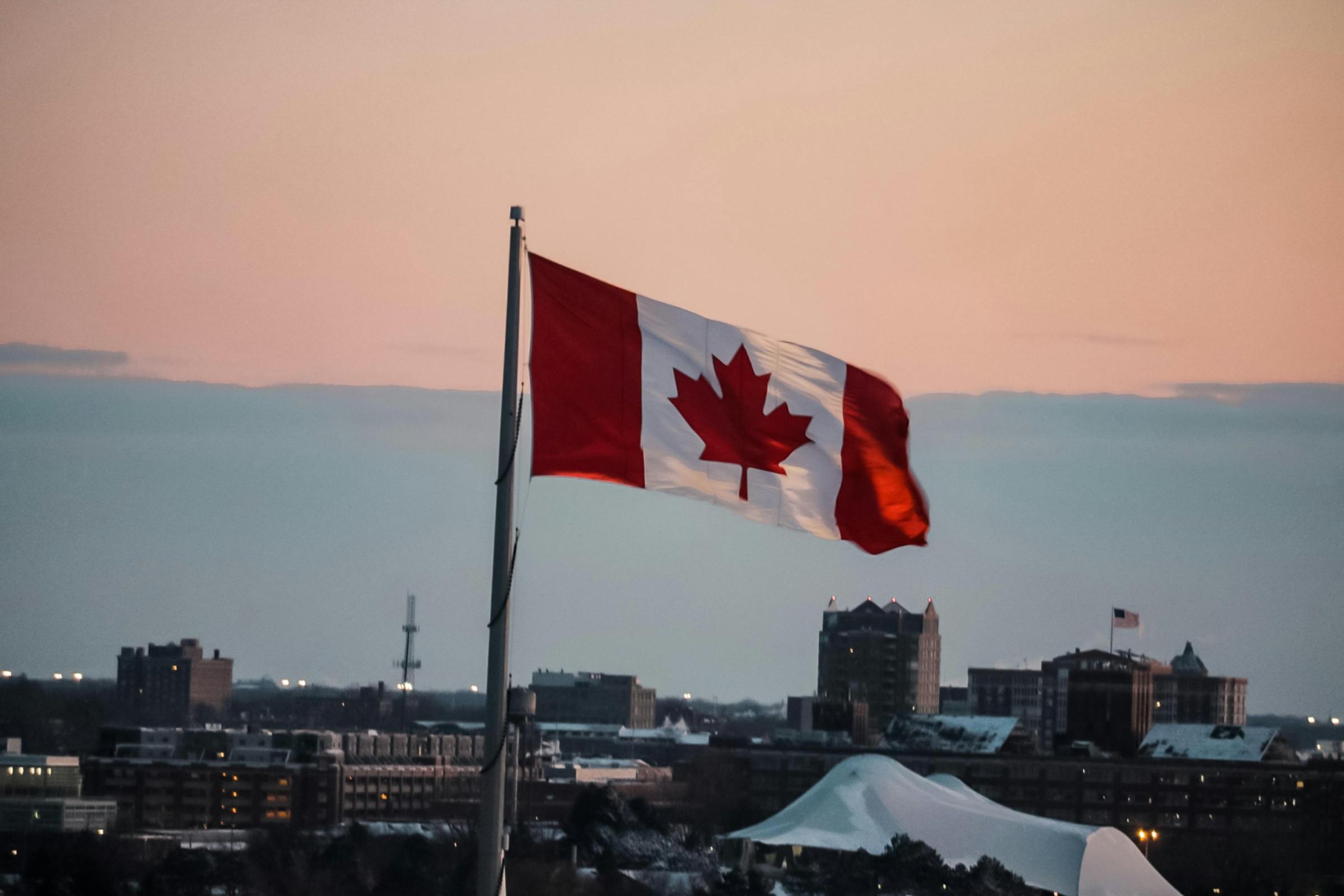
Changes to Canada's H-1B Immigration Rules
While many foreign workers envision the United States as their ultimate workplace, there are many other countries ready to embrace immigrants and nonimmigrants with easier immigration policies. One of these nations is Canada, and the new H-1B immigration rules established in June 2023 are creating ripple effects felt throughout the world. How do these changes affect you? Read on to find out.

Do You Have an Opinion on E-Verify? DHS Wants to Hear From You
The United States immigration program regulations aren’t set in stone. In fact, they undergo revision regularly, with the current focus on a proposed pilot program designed to determine the future of E-Verify as mandatory or optional. Currently, some states require employers to use this remote system to verify employment eligibility. But those that don’t still need a way to verify documents. The Department of Homeland Security has suggested remote I-9 document inspections for employers with 500 or fewer workers. If you are interested in expressing your thoughts on this proposal, you have until October 2, 2023, to do so. Keep reading to find out how this works.

Using Compelling Circumstances to Get Your H-4 Dependents an EAD
There are many benefits to an H-1B visa, making it a highly sought-after document for foreign workers worldwide. One of these perks is the ability to bring your spouse and dependent children with you to the United States under an H-4 visa category. However, that label doesn’t give those individuals the immediate right to work, as you have. Instead, they must apply for an Employment Authorization Document (EAD), and there’s no guarantee that this application will be approved. You may need to use compelling circumstance arguments to get your H-4 dependents an EAD, and we’ll explain what those are in this short blog.
Didn't Get Selected in the H-1B Lottery This Year? Good News, There's Another One on the Way!
H-1B visa petitioners know the crucial time of year is in February and March when USCIS announces its window opening and closing dates to register for the visa lottery. If your petition isn't registered by the deadline, you lose your chance to enter the random selection process, allowing you to file the full application for your H-1B visa. Sometimes, as is the case in 2023, circumstances arise that permit USCIS to run a second drawing later in the year. What does that mean for you? Read on to find out.

How to Create a Strong Case for a National Interest Waiver
Applicants for a work visa face a long, challenging process before their petitions are approved. Part of the delay includes finding a qualified employer to extend a job offer, then waiting for that sponsor to obtain approval from the Department of Labor (DOL) through the job certification process. Yet, when an individual has exceptional ability in fields such as science, business, arts, or an advanced degree profession, they may qualify to skip sponsorship and the subsequent wait time through the National Interest Waiver (NIW) path. For most people, the industry itself isn’t as important as the case they present to USCIS, and we’ll explain how to develop solid evidence to support your NIW plea here.

Common Myths Behind the National Interest Waiver
The National Interest Waiver (NIW) is a valuable opportunity for foreign nationals who wish to work and reside in the United States without enduring the traditional route of employer sponsorship. An NIW allows certain qualified foreigners to bypass the standard Labor Certification requirement in obtaining a green card. It is designed for those who possess exceptional ability in their field and whose work benefits the nation's interests. Unfortunately, misconceptions surrounding the waiver often lead to confusion and unrealistic expectations. This blog post will debunk six common myths to help you understand whether you qualify for an NIW.

New Fields of Study for STEM OPT Degrees Added
Foreign nationals enter the United States every year for various reasons, including work, tourism, and education. The visa they use to gain entry into the US depends on the reason for their visit. For international students, this is typically the F-1 status. However, only certain fields of study qualify for extensions that also permit work authorization. According to the latest updates from the Department of Homeland Security (DHS), there are eight new fields that fall under the STEM OPT degree and qualify for the two-year work authorization extension. We’ll break those fields down here.
Our Services

H-1B Visa
The H-1B visa provides the opportunity for foreign professionals to work in the United States. It allows employers to hire qualified foreign workers in the U.S.

O-1 Visa
An O-1 visa is designed to allow foreigners at the very top of the arts, sciences, sports, education, business, motion picture or television industries entry into the United States.
Contact Us

Email
Phone
Address
600 Stewart Street Suite 400, Seattle, Washington 98101, USA (Plaza 600 Building)