
Immigration Blog
Our blog is a source of latest immigration news, policy updates and trends for thousands of readers every month.

Deep Diving Into the Three Prongs of NIWs
For foreign nationals on a green card path, the wait can be long and arduous. However, if you qualify for an EB-2 National Interest Waiver, the application process is simplified, and the road to permanent resident status is shortened. The only obstacle is that you must qualify using the three prongs of the National Interest Waiver under US immigration law. What are they, and how can you prove that you qualify? We’ll dive deep into them here.

What's the Green Card Process Like? The Cato Institute Wants You to Play a Game and Find Out
Countless movies around the world hint at the realities behind getting a green card in the United States. But unless you’re in the system, filling out forms and waiting patiently for your particular dates to show up on the Visa Bulletin, you don’t understand the nuances and stresses involved. One company, the Cato Institute, wants to change this and ensure the general public learns about the difficulties that arise when you’re pursuing permanent residence through a green card as a foreign worker. Who is the Cato Institute, and what does their game include? We have that information here.

Traveling and Re-Entering the US on an H-1B Visa
Obtaining an H-1B visa is essential when living and working in the United States as a foreign national. This coveted document is the evidence you must present to US Customs and Border Protection before stepping foot in America. But what happens when you must leave the country for a while and return? Here is the information you need to know to travel and re-enter the US on an H-1B visa.

Eligibility for the H-1B Cap Gap Extension
When you’re trying to obtain an H-1B visa, you must abide by specific beginning and ending dates, and these aren’t always optimal. This can be particularly concerning when you’re a student finishing your university program with a gap between your last day of school and your first day at your new job. Since this is relatively common, the United States Citizenship and Immigration Services (USCIS) has a process in place to streamline your H-1B petition and allow you to remain in the US with a cap gap extension.

A Breakdown of the H-1B Program and Its Effect on the US Economy
For decades, the US has relied upon foreign workers to fill vital positions in the labor market, including both skilled and unskilled jobs. In more recent years, the focus has shifted to ensure critical industries, such as science, technology, engineering, and mathematics (STEM), are taken care of through work visas such as the H-1B. This program has been in place since 1990 and is run by the US Citizenship and Immigration Services (USCIS). Since its implementation, the H-1B program has significantly impacted the US economy, and we’ll discuss the effects here.
J-1 Visas Versus H-1B Visas: What You Need to Know
Each country has its own requirements in place that determine how foreign individuals may enter and work within its borders. In the United States, visa categories like J-1 Exchange Visitors and H-1B Specialty Occupation Workers are popular. The two visas have certain similarities in which they overlap in qualifications, but overall, they are distinctly different. Keep reading to find out everything you need to know to understand J-1 versus H-1B visas.
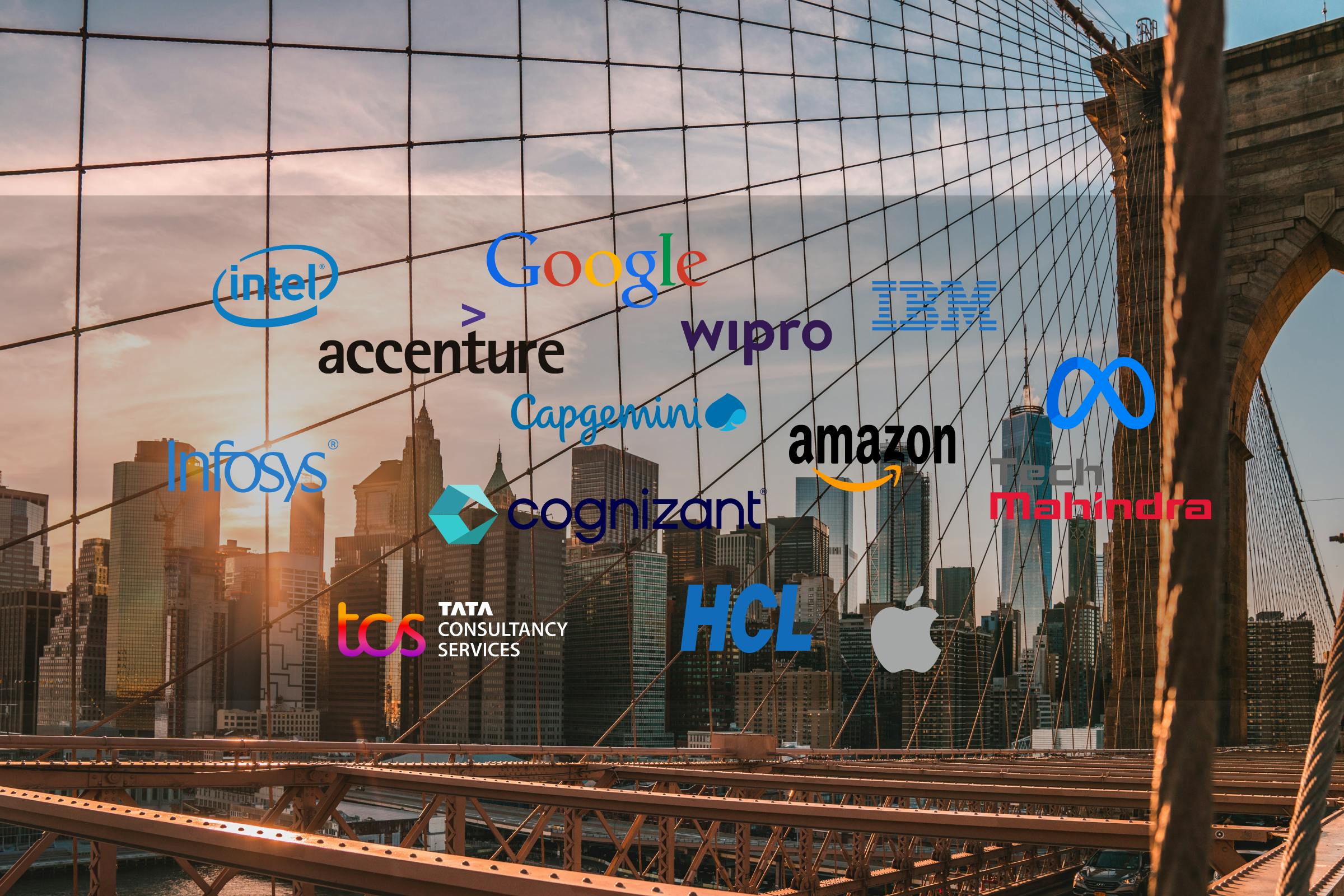
Looking for an H-1B Sponsorship? Check With These Companies First
The H-1B visa is highly coveted in the world of foreign workers wishing for employment in the United States. But before you can apply for this document, you must have a sponsor — an approved US employer willing to pay for your application and associated fees and hire you for the length of your visa’s terms (three years). This is often a challenge, as the employer and employee requirements are strict. However, if you qualify for certain highly skilled professions, you may be able to convince one of these companies to sponsor your visa journey.
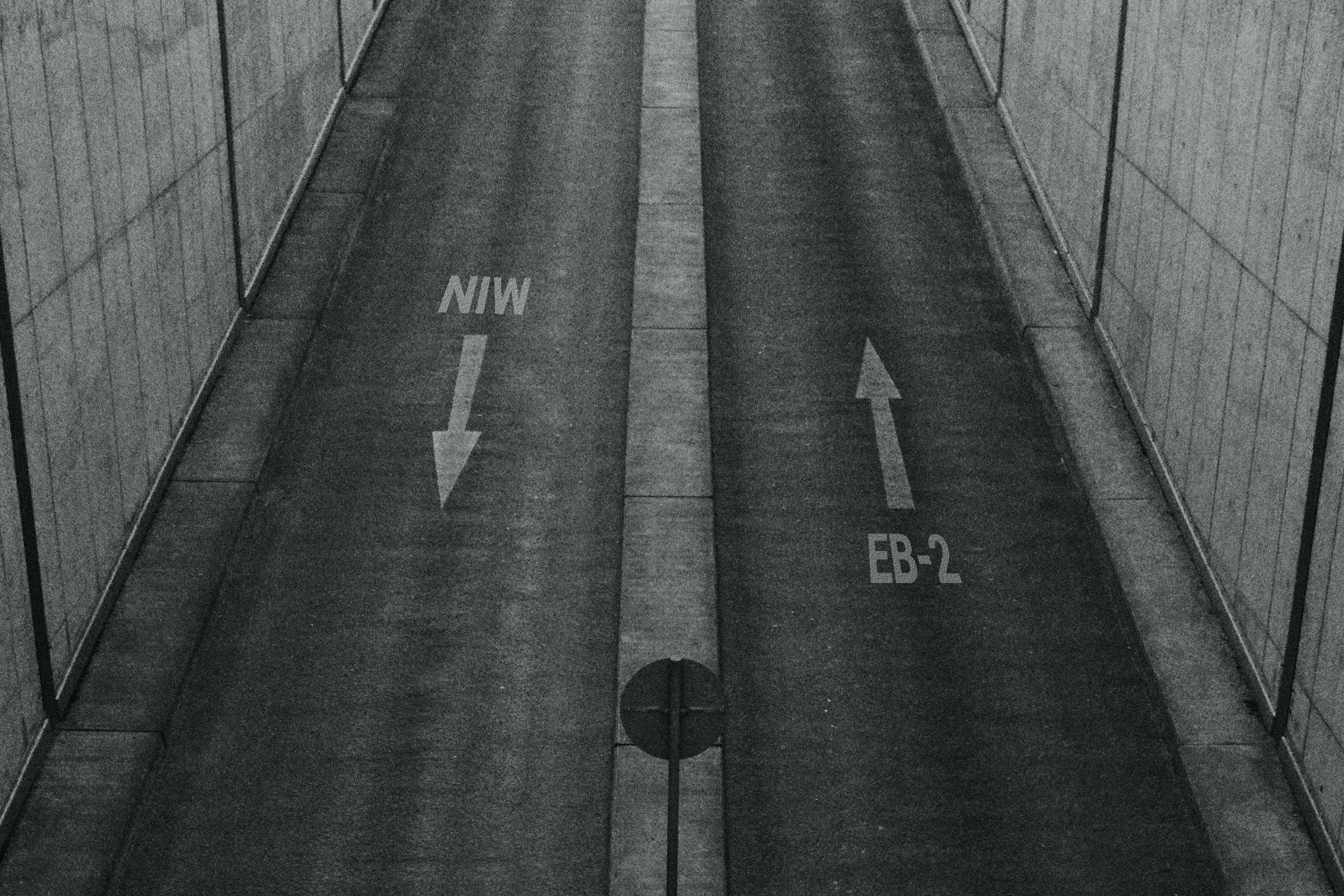
Should You Apply for the EB-2 or NIW?
If you’re considering entering or remaining in the United States under a work visa in the EB category, you have two main pathways: the EB-2 or the EB-2 national interest waiver. There are substantial benefits and drawbacks to both of these work documents, and it’s important for you to understand the fine print of each before you choose your next steps. Here, we’ll cover the differences between the two and help you decide which one is right for your journey.

FAQs for the EB-2 National Interest Waiver
An NIW, or National Interest Waiver, is part of the EB-2 category, used when an applicant wishes to obtain a green card in the US. This second-preference employment-based visa opportunity eliminates the requirement of other work visas: the beneficiary does not need a job offer in order to qualify for an NIW. But to balance this exception, there are many other substantial factors that must be met before someone is approved for the waiver, and it can be confusing to navigate the NIW process. Here are some of the typical frequently asked questions and their answers regarding the EB-2 National Interest Waiver.

The US Bill That Could Reform the H-1B and L-1 Visas
The H-1B and L-1 visas are used by hundreds of thousands of non-immigrants annually and have been part of the US-international exchange for more than two decades. During that time, the programs have stayed consistent with tweaks as necessary due to political changes in the United States government. But the world has changed substantially in the past twenty years, and a new bill calls for the H-1B and L-1 visa programs to reflect those changes.
Our Services

H-1B Visa
The H-1B visa provides the opportunity for foreign professionals to work in the United States. It allows employers to hire qualified foreign workers in the U.S.

O-1 Visa
An O-1 visa is designed to allow foreigners at the very top of the arts, sciences, sports, education, business, motion picture or television industries entry into the United States.
Contact Us

Email
Phone
Address
600 Stewart Street Suite 400, Seattle, Washington 98101, USA (Plaza 600 Building)